Car choices often say more about us than we realize. Beyond brand and performance, paint color and texture quietly communicate mood, values, and personal style—sometimes before the driver ever steps out.
Insights from color psychology, automotive design discussions, and consumer behavior studies consistently show that color influences perception and emotional response. Texture then adds depth, shaping how that color is interpreted on the road.
In simple terms:
Color shows emotion. Texture reveals intention.
Why Color and Texture Matter Together
According to findings frequently referenced by the Color Marketing Group, color functions as a non-verbal language that shapes how people are perceived. In automotive design, texture refines that language.
Two cars can share the same color and still communicate very different messages—one reflecting light and attention, the other absorbing it and projecting restraint.
That difference is intentional, whether consciously chosen or not.
White (Glossy or Pearl) – The Order-Oriented Thinker
Commonly associated traits:
- Organized
- Clean-minded
- Practical
- Forward-looking
White is often linked with clarity and structure. Drivers drawn to white tend to appreciate simplicity, efficiency, and a sense of control. It’s a color that values function while still appearing modern and refined.
Silver and Grey – The Balanced Realist
Commonly associated traits:
- Logical
- Calm
- Dependable
- Low-drama
Automotive color trend reports frequently show silver and grey among the most selected colors worldwide. These tones are often associated with reliability, emotional balance, and long-term thinking.
They signal steadiness rather than extremes.
Blue – The Trust Builder
Commonly associated traits:
- Loyal
- Dependable
- Thoughtful
- Emotionally steady
Psychology literature consistently links blue with trust and stability. On the road, blue cars often feel reassuring—suggesting consistency, patience, and emotional intelligence.
Red – The Expressive Spirit
Commonly associated traits:
- Passionate
- Bold
- Energetic
- Emotion-driven
Red is tied to heightened emotion and assertiveness. Drivers who choose red are often comfortable standing out and expressing intensity. Red doesn’t blend in—it announces presence.
Green – The Purpose-Driven Individual
Commonly associated traits:
- Grounded
- Independent
- Value-conscious
- Unconventional
Green is relatively uncommon, which itself communicates individuality. Consumer behavior discussions often associate green with personal values and meaning over trends.
Gold or Champagne – The Quiet Optimist
Commonly associated traits:
- Appreciative
- Comfort-focused
- Calmly confident
- Content
Gold tones are frequently linked with warmth and gratitude rather than excess. These colors suggest enjoyment, progress, and an appreciation for life’s balance.
Glossy Black – The Executive Mind
Commonly associated traits:
- Image-conscious
- Professional
- Detail-oriented
- Structure-loving
Glossy black reflects light and attention. It has long been associated with formality, authority, and presentation. In branding discussions, black often represents control and leadership—especially when appearance matters.
This is often described as the “boardroom on wheels.”
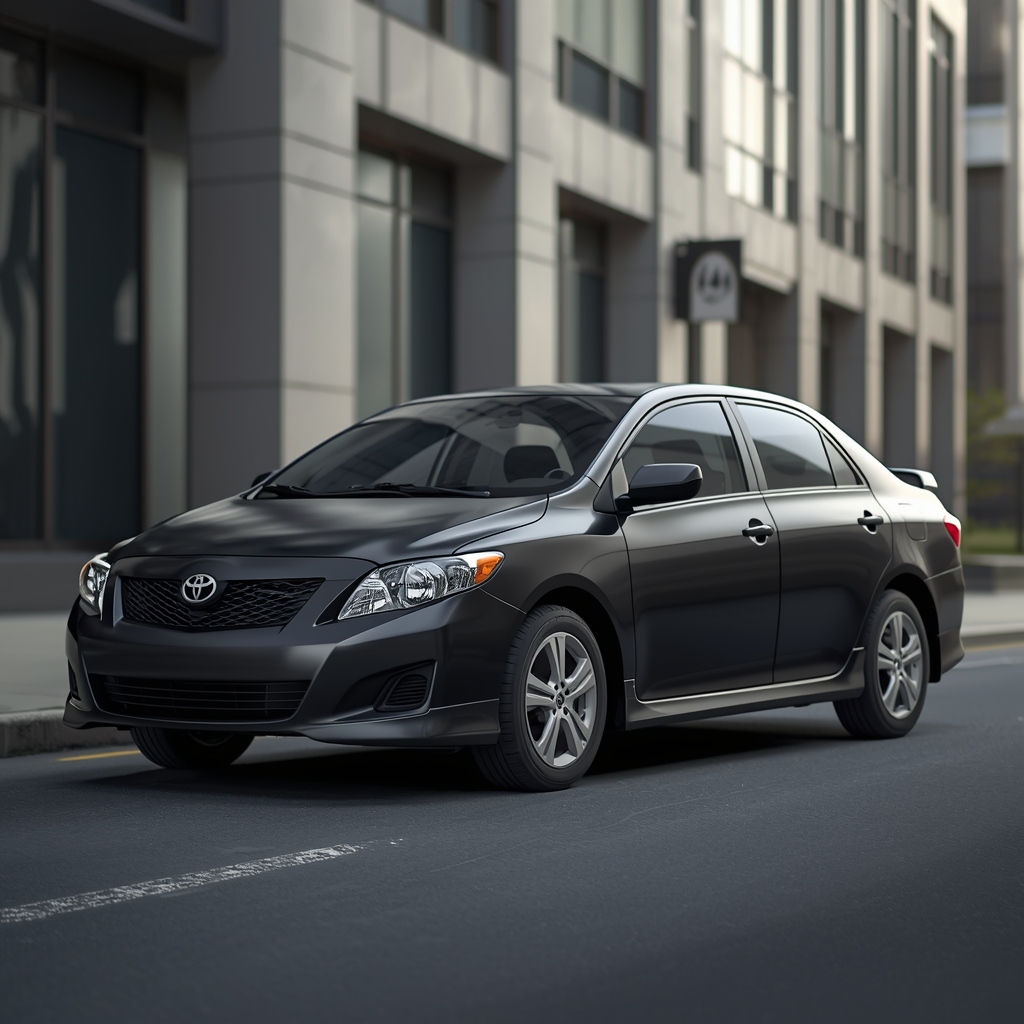
Matte Black – The Silent Power Player
(Intentionally saved for last.)
Commonly associated traits:
- Confident, not noisy
- Strategic thinker
- Independent and unconventional
- Values substance over attention
Matte finishes absorb light rather than reflect it. In design psychology, this is often interpreted as restraint, control, and inner confidence.
Matte black doesn’t shine. It doesn’t beg for compliments. It doesn’t compete for attention at traffic lights. That’s exactly the point.
“Reliability matters, but individuality matters too. Practical choices can still be intentional.”
Matte black drivers often:
- Make calculated decisions
- Prefer peace over chaos
- Let results speak
- Feel comfortable standing alone
Matte black doesn’t follow trends.
It sets a reference.
Final Thought
Your car’s paint is never just paint.
Color communicates emotion.
Texture reveals mindset.